The meeting was supposed to be about the report. It was a Thursday, I remember, because Thursdays were when we reviewed the week's deliverables, and his section was blank again. Not incomplete, but blank. A cursor's worth of nothing where three days of work should have been.
Our manager opened his file on the projector. She looked at it for a long moment. Then she looked at him. He did not look back, he was on his phone, thumb moving, unbothered, the way one is unbothered by rain that will not touch them.
I watched her jaw tighten. I watched her take a breath the way people do before they say something that needs to be said. And then I watched her let it out slowly, and say instead, "We will pick this up next week."
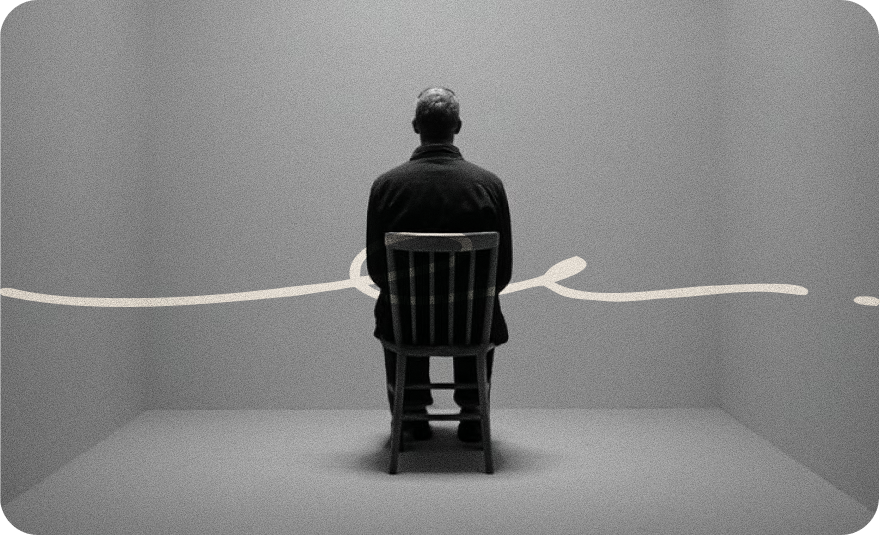
Nobody in that room was surprised. That was the strange part. There was no gasp, no exchange of glances — just the quiet, practiced calm of people who had seen this exact scene before and knew exactly how it would end. His uncle's name never came up. It did not need to. It was already in the room, sitting in the chair no one had pulled out for it, taking up space anyway, the way certain names do without ever being spoken aloud.
After the meeting, I sat at my desk and tried to finish the section he had not touched. My coffee had gone cold an hour before I noticed. I remember thinking, this is the third time this month I have done this, and I remember the specific, small anger of it — not loud, not dramatic, just steady, like a low hum underneath everything else I was doing that afternoon.
What struck me was not his nonchalance. People get comfortable; that is almost forgivable, in a way. What struck me was how fluent everyone else had become in working around him — rerouting tasks, quietly covering gaps, treating his blank sections the way one treats a pothole they have learned to swerve without thinking about it anymore. We had all, without ever discussing it out loud, agreed to make his failure invisible. It became a kind of shared language, one nobody had consented to speak but everybody somehow understood.
I think about our manager's held breath more than almost anything else from that job. She was not a coward. I had seen her push back on clients, on budgets, on people far more intimidating than him. But this was different. This was a fear with no clear shape, no name attached to any real consequence, only a feeling that saying the true thing out loud might cost more than staying quiet ever would.
I still do not know what she was actually afraid of. I am not certain she knew either. That, more than anything else, is what has stayed with me over the years since — not the unfairness of it, which was obvious to everyone in that room, but the specific texture of that silence: how ordinary it looked from the inside, how easily it could be mistaken for professionalism, if a person did not know exactly what they were watching.