"Mummy, did you bring back burial rice?"
That was always our first question whenever my mother returned from a funeral.
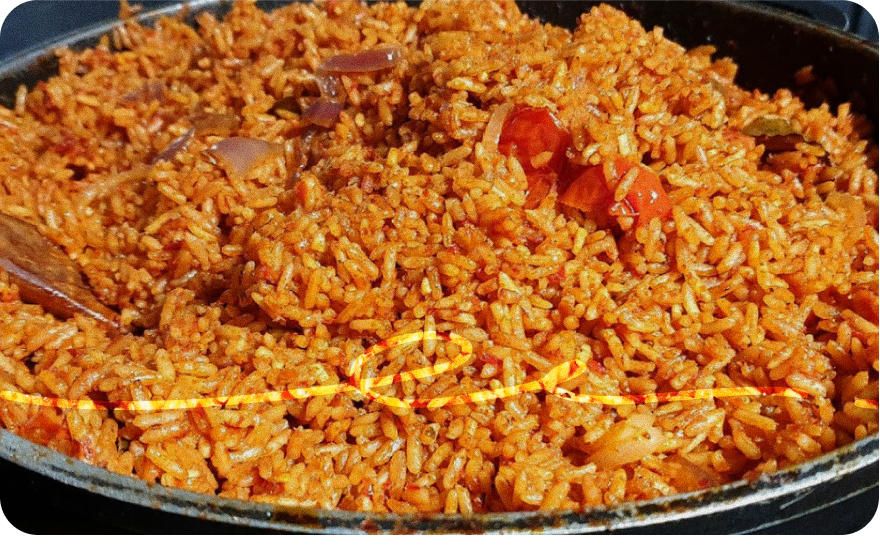
She would barely be through the front door before my siblings and I crowded around the black nylon bag dangling from her wrist, hoping to catch a glimpse of jollof rice, a piece of meat, maybe even a bottle of malt if we were lucky.
After we had shared the food, I would reach for the funeral program.
We had a pile of them at home. I read every one. I studied smiling photographs of people I had never met and biographies that always seemed to begin the same way. Older people were celebrated with Celebration of Life. Younger people had Gone Too Soon or Called to Glory printed beneath their faces.
I noticed the difference in the words but never stopped to think about what they meant.
To me, funerals belonged to other people's grief.
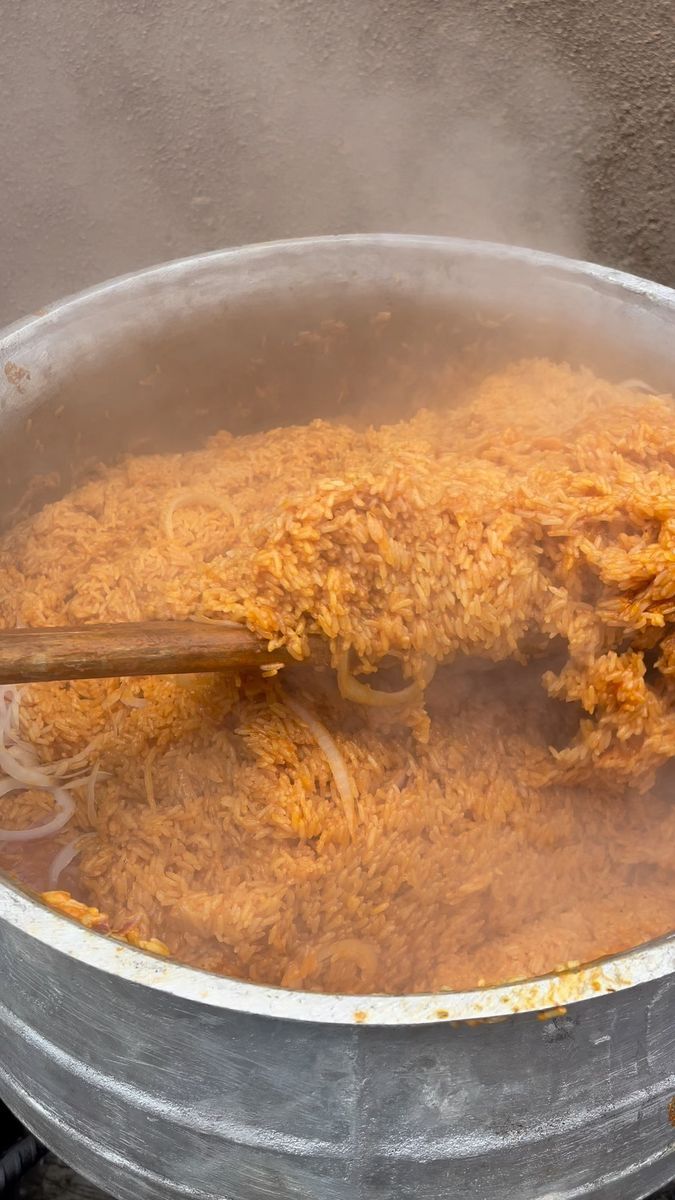
They smelled of smoky jollof rice cooked over firewood, rows of white plastic chairs, women tying matching wrappers and children carrying takeaway packs almost as big as their heads.
They ended with burial rice.
It never occurred to me that one day, our compound would smell of fire wood and burial rice would be cooked in our own house.
The last Christmas we spent together, my mother cooked as though she expected the whole neighbourhood to visit.
She always did.
There was always another chair to bring out, another plate to serve, another person she insisted should eat before leaving.
As a child, I hated Christmas because of it.
While my friends spent the day visiting relatives and taking Christmas pictures, we stayed home entertaining the endless stream of church members, neighbours and family friends who somehow always found their way to our house.
There was always enough food.
When we were younger, the kitchen belonged to my mother. She barked orders from the stove and watched us carefully to make sure none of us stole meat before the food was ready.
But somewhere along the way, she became way softer.
That Christmas, she broke off a piece of fried chicken and handed it to me.
"Is this well dried?" she asked. "It has to be dry because there's no light to store it in the refrigerator."
I tasted it.
"It's dry."
She nodded, dropped it back into the pot and went on serving everyone else.
The next day, she fell ill.
A week later, our sitting room smelled of incense and anointing oil instead of rice and stew.
A prophet prayed loudly over my mother while my father stood silently against the wall. My grandmother cried into her wrapper. Someone rebuked evil spirits.
I pulled my brother aside.
"Why did they bring Mummy home from the hospital?"
"It isn't an ordinary sickness," he whispered. "It's spiritual."
I believed him because I wanted to.
The prayers continued long after the afternoon became evening.
When I stepped outside, children were playing football on the street.
When I came back inside, my mother's body was covered with her wrapper.
I screamed.
The pastor's wife asked me to help clean her before the mortuary attendants arrived.
I filled a bucket with water.
I started with her hands because they frightened me the least.
The same hands that had handed me a piece of chicken only days before.
I kept waiting for her fingers to move.
They never did.
The water was cold when I put my hands in it but nothing could have prepared me for how colder her body was.
Months later, I sat beneath another funeral canopy with a funeral program in my hands.
"The Biography of Late Mrs..."
I stopped reading.
It was my mother's name.
I looked up.
The white casket stood in front of me with the women's fellowship wrapper from her church draped across it.
Until that moment, I had somehow managed to pretend this wasn't happening.
Seeing the word Late before her name made it impossible to pretend any longer.
Someone touched my shoulder.
"The people under the other canopy haven't eaten."
I stared at her.
My mother was lying a few feet away in a coffin, and she wanted to talk to me about rice.
I wanted to tell her I didn't care.
Let the rice finish.
Let the soft drinks run out.
Let the meat not be enough.
Let everyone go home hungry.
My mother had died.
Instead, I nodded because grief sometimes leaves you too tired to argue.
The funeral carried on around me.
Women hurried between canopies balancing coolers on their heads.
Men arranged more chairs.
Children laughed, too young to understand why they had been dressed in black.
People queued for food.
People who had not seen each other in ages had a little reunion. Laughing and hugging each other while saying, "Long time no see".
I watched them with anger.
How could they eat?
How could anyone swallow anything while my world had come apart?
Years later, I think about that incident differently.
Those people had come because they loved my mother.
Some had travelled from Eket. Others from neighbouring villages. They had sat with us in the heat. They had prayed. They had cried.
Eventually, they would begin the journey home.
The woman who interrupted me wasn't asking because the food mattered more than my mother.
She was making sure the people who had come to mourn her were cared for.
I think my mother would have understood that too.
She was the woman who always cooked too much.
Who always expected visitors.
I still think about the woman who tapped my shoulder.
I imagine her returning home that evening with a warm nylon bag in her hand.
Before she had taken off her shoes, her children would have searched inside it and asked the question my siblings and I had asked our own mother for years.
"Mummy, did you bring back burial rice?"